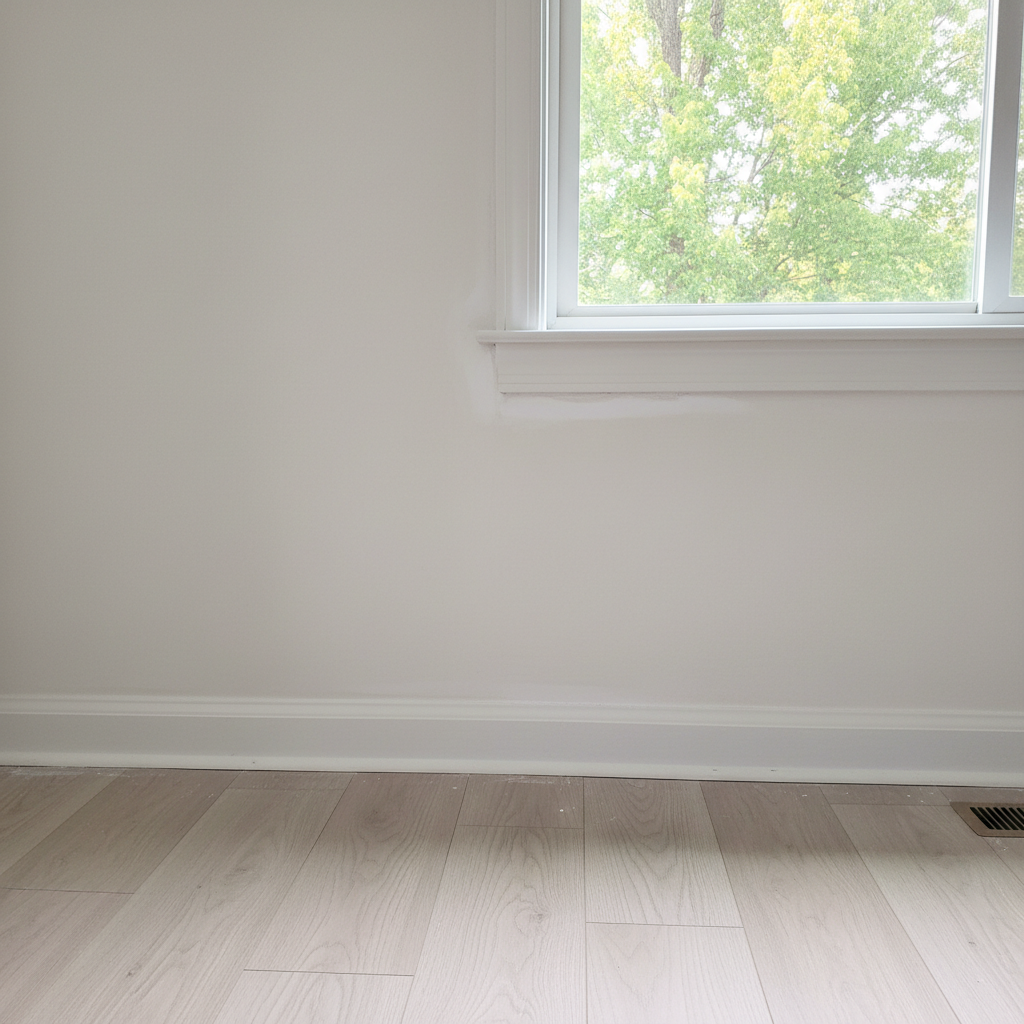
Water standing on your kitchen floor or soaking into your hallway drywall is an emergency that requires immediate attention. Here in Eastover, NC, our heavy summer downpours and the clay-heavy soil around Cumberland County foundations can quickly turn a minor leak into a major problem. Knowing what to do before help arrives, during the extraction process, and after the cleanup is finished will save you thousands of dollars and protect your family's health.
Before Water Damage Strikes: Preparation and Safety
Homeowners cannot always predict a pipe burst or a rogue summer storm, but you can prepare your home to handle Water Damage Restoration better. Make sure every adult in the house knows where the main water shut-off valve is located and how to turn it off fast. Keep a heavy-duty flashlight and a basic toolkit handy so you do not scramble in the dark. If you live in an area prone to surface water accumulation during severe weather, check your sump pump regularly and keep a backup battery charged. Prevention is always cheaper than mitigation.
During the Incident: DIY vs. Calling a Pro
Once water gets inside, every minute counts. If you are dealing with a small spill or a minor overflow from a supply line that you caught immediately, you can probably handle it yourself. Grab your wet-dry shop vacuum, pull up wet area rugs, and set up every box fan you own to get air moving across the subfloor. Do not wait around thinking it will dry on its own.
However, you need to know your limits. If water has wicked up inside your drywall, soaked into insulation, or backed up from a sewer line, stop the DIY work and call in professional equipment. Paradise Restoration sees what happens when homeowners try to dry multi-layer wall cavities with a household fan. Trapped moisture leads to structural rot and black mold within forty-eight hours, especially in our humid climate. Call a pro if:
- Water has covered more than a single room or affected structural framing
- The source is contaminated or sewage-related
- Electrical outlets or breaker panels are exposed to moisture
- Mold colonies are already visible on baseboards or drywall
After the Cleanup: Reconstruction and Prevention
Once the industrial dehumidifiers and air movers are packed away, the real rebuilding begins. Do not rush to slap new paint on damp drywall or lay fresh carpet over a subfloor that still holds moisture. Use a digital moisture meter to verify that the framing materials have returned to their normal dry standard. When replacing damaged materials, consider upgrading to moisture-resistant products like mold-resistant drywall or closed-cell spray foam insulation to prevent future issues.
Take a walk around your home's exterior next. Check your gutters, downspouts, and yard grading to ensure rainwater moves away from your foundation rather than pooling against it. Taking these simple steps now ensures your home stays solid, dry, and safe through every season right here in Eastover, NC.