Before the Water Hits (Or Right After It Does)
Nobody wants to think about their home flooding, but living here in Eastover, especially with the Cape Fear River nearby and our clay-heavy soil that doesn't drain fast, it's something we've all got to be ready for. The absolute first thing you need to do if water gets in your house is to make sure it's safe. That means turning off the power to the affected areas if you can do it safely. Don't mess with electrical panels if they're wet, call the power company or an electrician. Safety first, always.
Next, document everything. I can't stress this enough. Grab your phone and take pictures and videos of *everything* before you touch it. Every wet carpet, every water line on the wall, every piece of furniture. This isn't just for insurance; it helps us, the restorers, understand the scope of work when we get there. It gives us a baseline.
What can you do yourself right away? If it's clean water (like from a burst pipe, not a sewage backup or river overflow), you can start moving small, valuable items out of the wet areas. Get books, electronics, photos, and important documents to a dry spot. If you've got standing water, you can try to remove it with buckets or a wet/dry vac, but be careful not to spread contaminants if it's dirty water. For anything more than an inch or two, or if the water is dirty, you're probably going to need professional extraction equipment. That's where folks like us at Paradise Restoration come in.
During the Cleanup: DIY vs. Pro
Okay, so you've got the water out, or a crew is working on it. Now comes the drying. This is where a lot of homeowners try to save a buck and end up costing themselves way more in the long run. You might think opening windows and running a few fans will do the trick. For a small spill, maybe. For actual flood damage? Not a chance.
The problem is, moisture gets into everything: drywall, insulation, wood framing, subfloors. Just because a surface feels dry doesn't mean it is. If you don't dry these materials out properly and quickly, you're inviting mold, structural damage, and ongoing odor problems. We use specialized equipment – industrial-strength dehumidifiers, air movers, and moisture meters – to pull moisture out of the air and materials. We can tell you exactly what's wet and how wet it is, and then monitor the drying process to make sure it's done right. You just can't get that level of drying with household fans.
So, what *can* you do yourself during this phase? You can help by removing wet baseboards and potentially cutting out small sections of wet drywall if you're comfortable with it and it's not structural. This helps air circulate and speeds up drying. But be cautious. Don't start tearing out walls willy-nilly. If you're unsure, wait for a pro to assess it. We'll tell you what needs to go and what can be saved. We'll also handle things like contaminated materials – anything that's been touched by dirty floodwater usually needs to be removed and disposed of properly, not just dried.
After the Drying: Rebuilding and Prevention
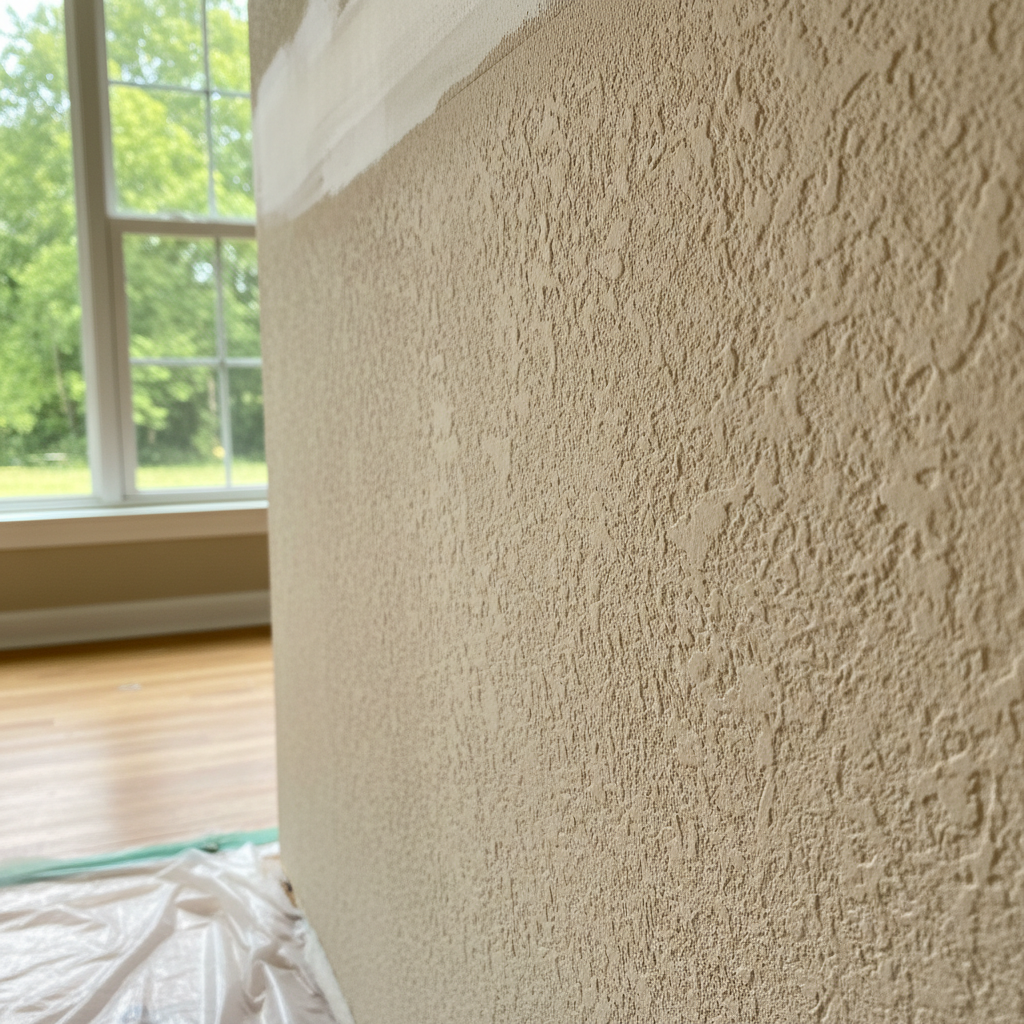
Once everything is bone dry – and I mean truly dry, confirmed by our meters – then you can start thinking about putting things back together. This is the reconstruction phase. For simple stuff like replacing a few drywall panels or repainting, if you're handy, go for it. But for more extensive repairs, especially if structural components like floor joists or wall studs were affected, you'll want a licensed contractor. We can handle the full rebuild, making sure everything is up to code and looks like new.
Don't rush this part. Make sure all repairs are done correctly. A shoddy repair job after a flood can lead to long-term issues that are a real headache and expensive to fix down the road. You've been through enough already.
Finally, think about prevention. After you've gone through a flood, you'll want to do everything you can to avoid another one. This could mean improving your home's drainage, checking your roof and gutters regularly, or even getting flood insurance if you're in a high-risk area. It's about protecting your biggest investment. We've seen it all, and taking those extra steps now can save you a lot of grief later.
```