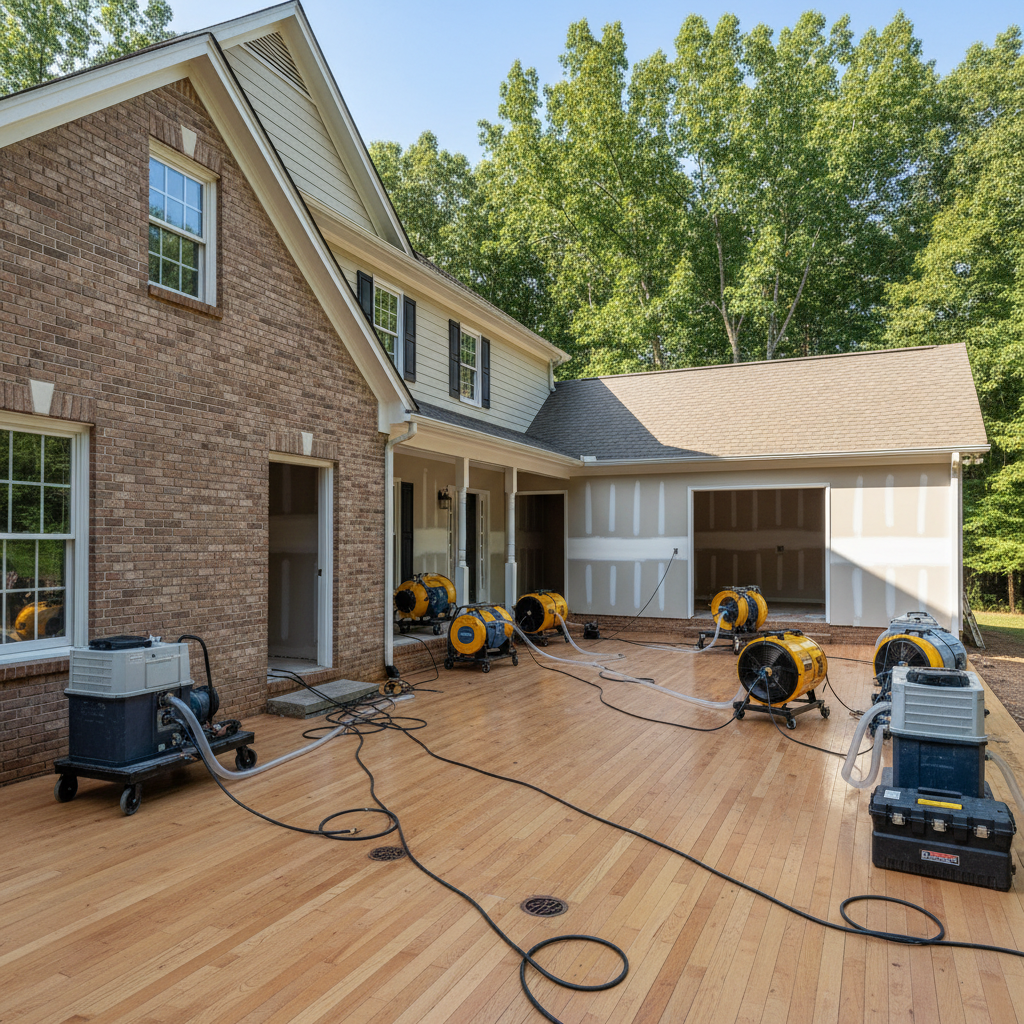
You've got water damage, and now you're thinking about getting things dried out. It's not just about getting the water out; it's about getting your home truly dry, structurally sound. Here in Eastover, our climate plays a big role in how that process works, and frankly, when you should be thinking about it.
When's the Best Time for Structural Drying?
Honestly, there's no 'best' time to have water damage, but there are better times to get it dried out. If you've got a burst pipe in January, you can't wait. But if you're dealing with lingering moisture or a slow leak you just found, timing can matter. The ideal conditions for structural drying are when it's warm and dry outside. Think late spring, early summer, or early fall. Why? Because we can open things up, get good airflow, and the outdoor air isn't fighting us with high humidity.
When it's hot and humid, like our typical Eastover summers, drying takes longer. We're running dehumidifiers hard, and if we open windows, we're just inviting more moisture in. That means higher energy bills for the drying equipment and a slower process overall. Winter drying can be tricky too. It's cold, so we can't always open things up for ventilation, and if it's damp and rainy, it's the same battle against outside humidity. We've got specialized equipment for all conditions, don't get me wrong, but understanding the environmental factors helps you understand the process.
How Local Weather Really Affects Drying
Our Eastover weather isn't just about temperature; it's about humidity. We get some serious humidity around here, especially from June through September. That's when the air is thick, and everything feels damp. When we're drying out a structure, we're trying to pull moisture out of materials like drywall, wood, and insulation. If the air outside is already saturated with moisture, it's like trying to dry a towel in a steam room. It's a tough fight.
I've seen it many times, especially in older homes around the Wade area where crawl spaces can be notorious for holding moisture. If you've had water intrusion there, drying it out during a stretch of 90-degree, 90% humidity days is a whole different ballgame than doing it in April when the air is crisp. We use industrial-strength dehumidifiers and air movers, of course, but the environmental load is heavy. It means more equipment, running longer, and a higher cost for you. That's just the reality of physics and our climate.
Protecting Your Investment Year-Round
So, what can you do to protect your home from water damage and make any future drying easier? A lot, actually. It starts with prevention. Regularly check your plumbing, especially under sinks and around appliances like your water heater and washing machine. Those little drips can turn into big problems fast.
- Gutters and Downspouts: Keep 'em clean. Seriously. If water isn't flowing away from your foundation, it's going to find a way in. I see this all the time after heavy rains.
- Exterior Grading: Make sure the ground slopes away from your house, not towards it. This is basic stuff, but it's often overlooked.
- Crawl Space & Attic Ventilation: Good airflow in these areas is key to preventing moisture buildup. If your crawl space is damp, consider a vapor barrier or even encapsulation. It makes a huge difference in humidity levels inside your home.
- Appliance Hoses: Check your washing machine and dishwasher hoses. They don't last forever. Replace them every few years, especially if they're rubber. Braided stainless steel hoses are a good upgrade.
- Be Aware of the Seasons: In winter, protect exposed pipes from freezing. In spring, after heavy rains, do a quick check for any new leaks. In summer, keep an eye on your AC unit's condensate line; if it clogs, you'll have water backing up.
When Paradise Restoration comes in for structural drying, we're not just drying; we're assessing the situation to prevent future issues. We'll give you honest advice on what we see. We want your home to be dry and stay dry. It's your biggest investment, and keeping it safe from water damage is a year-round job, especially with the weather we get here in Eastover.
Don't wait until you've got a major problem. A little proactive maintenance can save you a lot of headache and money down the road. If you ever suspect you've got a hidden leak or moisture issue, give us a call. It's better to catch it early.