Water damage in Eastover, NC does not wait for a convenient time to strike. Whether it is a sudden pipe burst during a freezing winter snap or heavy summer downpours testing your foundation around the Cape Fear River basin, you need to act fast. Here is what you need to know about tackling Water Damage Restoration before, during, and after the project.
Before the Cleanup Starts
Safety is the most important priority when water invades your living space. Before you grab a mop or a bucket, locate your main water shut-off valve and turn it off if the issue is an active plumbing leak. Next, check your electrical panel. If standing water is anywhere near outlets, appliances, or your breaker box, do not walk through it until you have cut power to that section of the house. Take photos and videos of everything for your insurance company before moving damaged items around. Documenting the high-water marks and ruined drywall helps immensely when filing a claim later on.
During the Process: DIY vs. Pro
Homeowners often want to save money by doing everything themselves, but water is sneaky. If you have got a small spill or a localized leak that only wet a few square feet of low-pile carpet, you can usually handle it. Grab a wet-dry vacuum, pull up the affected rugs, and set up box fans and dehumidifiers to dry the area out. However, if water has wicked up into your drywall, saturated insulation, or soaked underneath hardwood flooring, you are facing a much bigger problem. Our local humidity here in Eastover means moisture stays trapped inside building materials longer, which creates a breeding ground for mold within 48 hours. That is when you need to call in a team like Paradise Restoration to set up industrial air movers and structural drying equipment. Paradise Restoration measures moisture levels deep inside wall cavities so you do not end up dealing with rotting studs or toxic mold spores down the road.
After the Immediate Drying
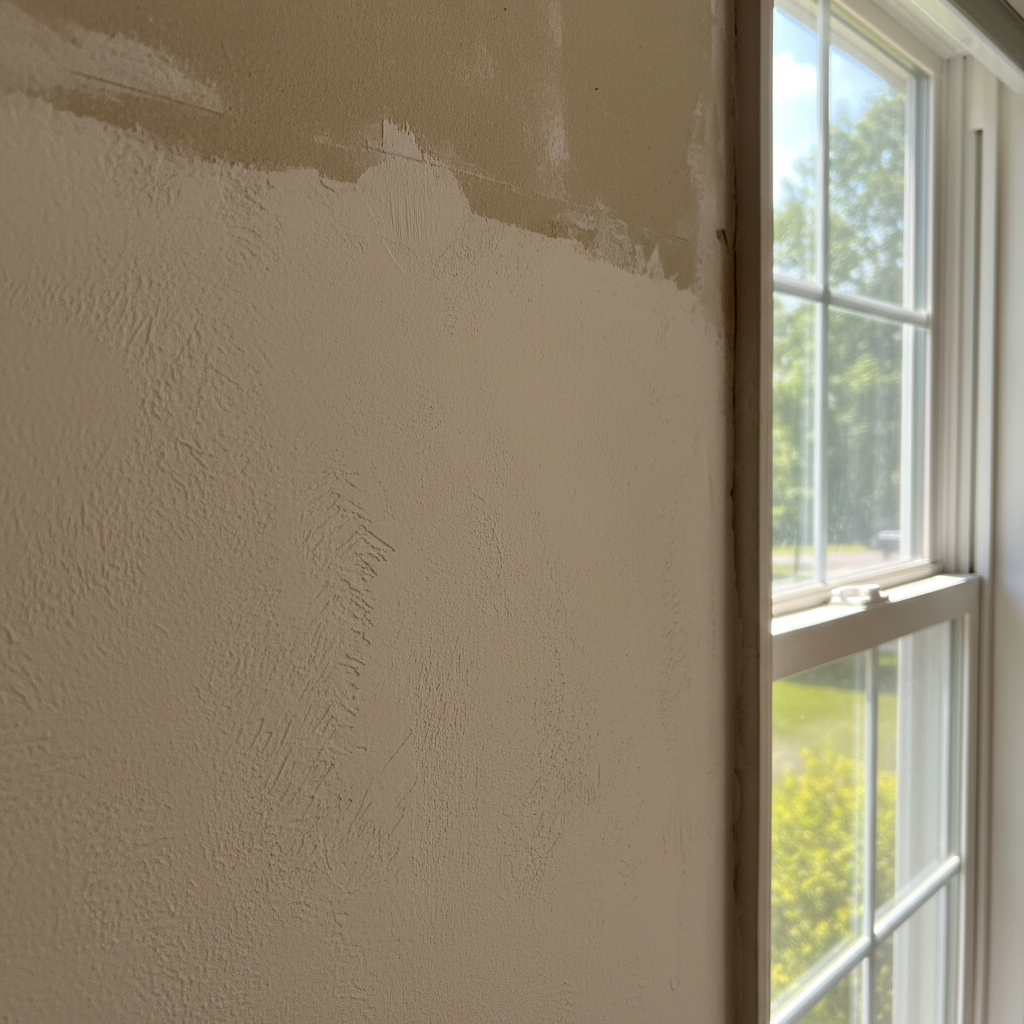
Once the structure is completely dry, the real work of putting your home back together begins. You will need to assess which materials can be cleaned and sanitized versus what needs to be cut out and replaced. Baseboards, warped particle board cabinets, and spongy drywall usually have to go. When rebuilding, consider upgrading vulnerable areas, especially if you live in a low-lying neighborhood prone to pooling water during severe weather. At Paradise Restoration, we see too many hasty DIY repairs where new drywall goes up over damp framing, trapping moisture and causing paint to bubble weeks later. Take your time, verify the moisture meter reads zero before rebuilding, and do not hesitate to reach out if the Water Damage Restoration job turns into more than you bargained for.